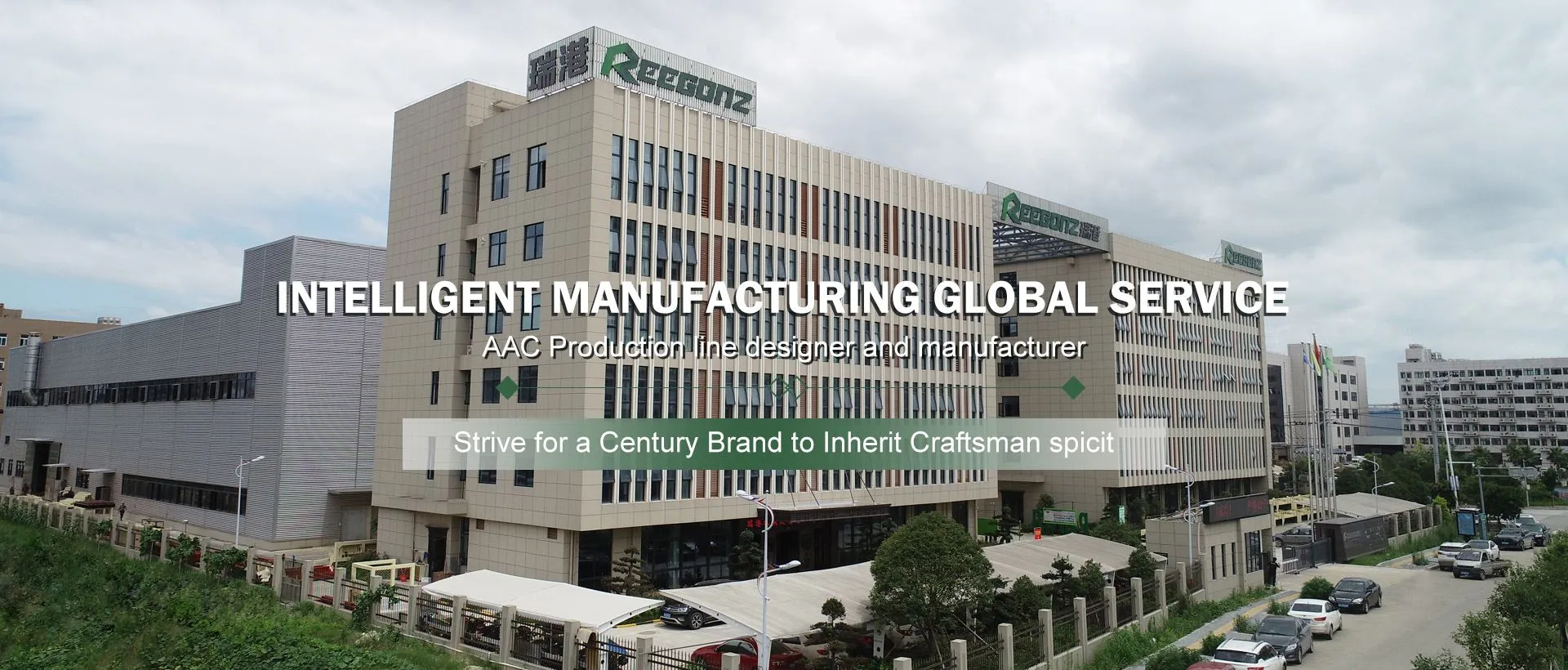


Zhejiang Ruigang Machinery Co., Ltd. is a comprehensive enterprise specializing in the development, production, and sales of concrete steaming pressure. Participating units formulated by the national standard standards in the industry ranks among the top comprehensive strength. The company currently has more than 100 employees, has more than 40 patents (5 invention patents), 3 software copyrights, and 22 trademarks.
Complete qualifications
The company has adopted the ISO9001 international certification and the first (set) product of the key areas of Zhejiang Province's equipment manufacturing industry, the Zhejiang manufacturing type character identification. Zhejiang Province's science and technology enterprises, Wenzhou high -growth enterprises, business integrity level AAA and other honors.
Sustainability
The company focuses on the development of intelligent environmental protection building materials equipment, is committed to the success of customers and the company's success, and is committed to sustainable development. It uses innovation to create value for customers.
Wide Product Range
Zhejiang Ruigang Machinery Co., Ltd. is a comprehensive enterprise specializing in the development, production, and sales of concrete steaming pressure. The company's products cover a variety of core products such as multi -functional block rotating fixture, air flip removing bottoming machine, multi -functional block separator, ferry vehicle, conveying and cutting mechanism, etc., with more than 30 series of products.
Strict Quality Control
The company has always put technological innovation first, attach importance to the cultivation and introduction of scientific and technological talents, increase investment in scientific research, and establish an incentive mechanism; at the same time, strengthen close cooperation with colleges and universities and well -known technology companies to jointly develop new products to create automatic assembly lines Unmanned workshop.


What is AAC Block Making Machines
An AAC (Autoclaved Aerated Concrete) block making machine is a specialized construction machine used for the production of AAC blocks. These machines are engineered to mix and combine raw materials like sand, cement, lime etc. in precise proportions, creating an AAC slurry. This slurry is then poured into molds within the machine, which are subsequently cured in an autoclave to produce AAC blocks. These machines streamline the manufacturing process, ensuring consistent quality and efficiency in the production of these lightweight, high-insulation construction materials.
Enhanced Efficiency and Productivity
One of the primary advantages of using a AAC block making machines is the significant increase in efficiency and productivity it offers. This efficiency not only meets the high demand in booming construction markets but also ensures timely project completion.
Cost-Effectiveness
Investing in a AAC block making machines can lead to substantial cost savings in the long run. The automation of block production reduces labor costs significantly. Additionally, the ability to produce large quantities of blocks on-demand minimizes waste and optimizes the use of materials, further driving down production costs.
Consistency and Quality Assurance
Quality control is crucial in the construction industry, where the strength and durability of building materials cannot be compromised. AAC block making machines are engineered to produce blocks of uniform size and shape, ensuring consistency across all units.
Environmental Sustainability
AAC block making machines address this demand by enabling the use of recycled materials in block production. Moreover, the efficient use of resources and reduced waste contribute to a lower environmental footprint, aligning with global sustainability goals.
Versatility in Block Production
AAC block making machines offer unparalleled versatility, capable of producing blocks of various sizes, shapes, and types to suit different construction needs. This versatility allows construction companies to cater to diverse project requirements with ease.
Automation and Ease of Use
The automation integrated into AAC block making machines simplifies the production process, making it accessible to operators with minimal training. This ease of use enhances productivity and reduces the likelihood of errors during production.
Manual AAC Block Making Machines
Manual AAC block machines heavily rely on human labour. Operators manually mix raw materials such as cement, lime, sand, and aluminium powder before pouring the mixture into molds. After curing, blocks are manually cut and removed. These machines are typically chosen for small-scale production, startup ventures, or regions with limited resources where labor is readily available but machinery is scarce.
Semi-Automatic AAC Block Making Machines
Semi-automatic AAC block making machines strike a balance between manual and automated processes. They incorporate automated systems for material mixing and pouring but require manual intervention for tasks such as cutting and block removal. These machines are well-suited for medium-scale production scenarios where some level of manual labour is acceptable and a moderate level of automation is desired.
Fully Automatic AAC Block Making Machines
Fully automatic AAC block making machines epitomise automation and efficiency. They require minimal manual labour. The entire production process, from mixing to pouring, cutting, and even packaging, is predominantly automated. These machines are the ideal choice for large-scale production facilities with high output demands, ensuring consistent quality and productivity.
Vertical AAC Block Machines
Vertical AAC block machines are designed with molds that move vertically through each production stage. They offer advantages in terms of space efficiency and the ability to accommodate fully automated processes. Manufacturers often customize these machines to produce various block sizes and shapes. They are commonly found in extensive manufacturing plants.
Horizontal AAC Block Machines
In contrast, horizontal AAC block machines feature molds that move horizontally through the production process. They are well-suited for high-capacity production facilities and can be fully automated. Their flexibility in handling various block sizes makes them a popular choice for large-volume AAC block production, ensuring efficiency and consistency.
Tilting AAC Block Machines
Tilting machines have a unique capability to tilt molds, simplifying the block removal process. This design reduces the need for manual labor during block extraction and enhances overall efficiency. They can be found in production facilities of various scales, particularly for their utility in optimizing block handling.
Portable AAC Block Machines
Portable AAC block machines are compact and mobile, making them suitable for on-site or remote construction projects. These machines offer versatility and are often used in areas with limited access to traditional manufacturing facilities, enabling AAC block production closer to the construction site.
Construction Industry
One of the significant applications of the AAC block making machine is in the construction industry. The blocks produced by this machine are lightweight, making it easy to handle and transport. They also possess excellent thermal insulation properties, which makes them ideal for constructing energy-efficient buildings. The machine can produce blocks of various sizes and shapes, which allows builders to use these blocks for the construction of different structures.
Precast Elements
Another application of the AAC block making machine is in the manufacturing of precast elements. Using this machine, precast panels, lintels, and other elements can be produced. These elements are then used in the construction of buildings, reducing both the construction time and labor costs.
Constructing Buildings In Earthquake-Prone Areas
The AAC block making machine is also useful in constructing buildings in earthquake-prone areas. The machine produces blocks that are strong and durable, making them perfect for withstanding seismic activities. The lightweight nature of the blocks is also advantageous as it reduces the overall weight of the building.
Agricultural Sector
Apart from the construction industry, the AAC block making machine can also be used in the agricultural sector. The blocks produced can be used for the construction of animal sheds, storage warehouses, and other farm structures. The blocks are lightweight, durable and have excellent insulation properties making them ideal for such applications.
Step 1: Preparation
Before you begin the block making process, you need to ensure that you have all the required materials such as sand, cement, and lime. You also need to have the AAC block making machine in good condition and well-lubricated for smooth operation.
Step 2: Mixing
The mixing of the materials is an essential step in the block-making process. You need to ensure that the materials are mixed in the right proportions to get the desired product. Use a mixer to mix the materials thoroughly before placing them in the machine for block making.
Step 3: Molding
Once the materials are mixed, place them in the AAC block making machine. The machine has a mold that you need to fill with the mixed materials. Ensure that the mold is well filled and leveled before proceeding to the next step.
Step 4: Curing
After molding, the blocks need to be cured for a specific period. The curing time may vary depending on the weather conditions in your area. After curing, remove the blocks from the mold, and they are ready for use.

Mixer: Dry ingredients like cement, lime, additives, fillers and sand are mixed uniformly using a screw or drum batch mixer.
Foaming agent dosing system: A precise amount of foaming agent like aluminum powder is added to produce the required volume of foam.
Molding machine: The wet AAC mix is fed into bottom open molds with dies of different block sizes.
Vibrator: The filled molds are vibrated to release air bubbles and ensure uniform foam distribution within the blocks.
Curing chamber: The molded AAC blocks are cured in a curing chamber at temperatures between 160 to 200 °C for 16 to 24 hours . This triggers a reaction that hardens the blocks.
Cooling tunnel: The cured AAC blocks pass through a cooling tunnel to slowly bring them down to room temperature before demolding.
Demolding system: The hardened AAC blocks are removed from the molds and packed for storage and transport.

Scheduled Performance Check
It is important to have a regular performance check for every unit of machinery in block making machine. During the checkups, it should be made sure that control systems, switches and various other components are functioning properly. In case of detection of any fault, removing the fault must be prioritized.
Before Starting the Machine
A short performance check is necessary, before starting the block making machine, to make sure everything is working well. Things like lubrication, performance abnormalities, faulty parts, tightening and few other inspections can be performed before putting the machine into work. This will avoid break down of the whole system and abrupt the work in the middle.
Regular Cleaning/Lubrication of Parts
Block making machines are often exposed to micro dust that can affect movements of various mechanical parts or even clogging the lubrication flow. Microdust and improper lubrication are most common the reasons for the underperformance of the system, in the worst condition, it can even lead to faulty parts and complete system shutdown. A regular cleaning and lubrication of machine can avoid much of the troubles and ultimately prolong the machine’s life.
Maintenance in Winter/Low Temperature
Considering any heavy machinery, production is not the same in winter and summer, the atmospheric condition makes a huge difference and hence various changes in production are important to be considered. Often in production, water is used in materials and low temperature may cause materials to freeze. To avoid this, usage of antifreeze should be motivated and applying insulation to raw products is also suggested. Lubricants can also be affected in low temperature hence of antifreeze in lubricants is also suggested. Before placing machines to sleep, it is advised to drain all the hydraulic fluids to avoid freezing.

Block making machine is machines used in the production of various concrete blocks. By using different molds, blocks can be produced in desired shapes and sizes. There are block machines with different working properties according to usage areas and production capacities. With the advancement of technology, these machines, which can now work with the automation system, can produce at high capacity in less time.
Increased Efficiency
One of the significant advantages of using a block making machine is the increased efficiency it offers. These machines are designed to automate the block production process,which eliminates the need for manual labor. As a result, the production rate is significantly higher compared to traditional methods, saving both time and resources.
Versatility in Block Sizes and Shapes
The versatility of block making machines is another key advantage. These machines can be adjusted to produce blocks of various sizes and shapes, depending on the specific requirements of the project. Whether you need solid blocks, hollow blocks, or interlocking blocks, a block moulding machine can cater to your needs.
Consistent Block Quality
Block making machines ensure consistent block quality throughout the production process. The mix ratio of the concrete mixture can be precisely controlled, resulting in blocks with uniform strength and durability.This consistency is crucial for ensuring the structural integrity of the buildings or structures where the blocks will be used.
Cost-effective Solution
Using a block making machine can be a cost-effective solution in the long run. Although the initial investment might be higher compared to manual methods, the production efficiency and consistent block quality lead to significant savings in labor costs and material wastage.Additionally, these machines are built to be durable and require minimal maintenance, further reducing operational costs.
User-friendly Operation
Block making machines are designed to be user-friendly, making them accessible even for operators with minimal technical expertise. They come with intuitive controls and clear instructions, allowing operators to operate the machine with ease. This user-friendliness ensures smooth operation and minimizes the risk of errors or accidents.
Durability and Longevity
Block making machines are built to withstand the harsh conditions of the construction site. They are made from high-quality materials that can endure heavy use and resist wear and tear. Investing in a durable machine ensures longevity and reliable performance, ultimately providing value for money.
Concrete Block Machine: This is automatic block making machine is an egg laying type hydraulic operated machine on wheels. It lays a block on the floor and moves forward. One can produce any type of concrete block by placing different types of concrete mould and setting ram in the machine.
Solid Block Making Machine: This machine produces Concrete Solid Block. It is an egg laying type machine which is hydraulically operated. It can produce consistent quality blocks by setting different types of concrete mould and fixing ram in the block making machine.
Paver Block Making Machine:This machine produces high-quality paver blocks and designer tiles. In the production of this, highly flowing colour pigments along with grey are poured into the rubber moulds & solidified in Vibro forming vibrating tables.
Concrete Hollow Block Making Machine: This is an egg laying type hydraulic operated machine which produces Concrete Hollow Block. It will lay a block on the concrete floor and proceed for the next laying. One can get consistent quality by fixing different types of concrete mould and ram in the machine.
Movable Concrete Block machine: It is employed for the production of high performing Movable Concrete Block Machine. It is well known for mass production and accessorised with advanced technology. This is an egg laying type which automatically feeds raw material to produce concrete. It is hydraulically operated concrete making machine which lays the block on the floor and moves forward to continue its job.
Hydraulic Solid Block Making Machine: This is also solid block making machines which produce solid blocks and is hydraulically operated. It is an egg laying type machine which produces blocks and moves forward.
How can the Production Output and Efficiency of a Block Making Machine Be Optimized?
Machine Selection: Choose a block making machine that is suitable for the scale and requirements of your project. block making machine price Consider factors such as production capacity, automation level, speed, and versatility. Selecting the right machine from the beginning can significantly impact output and efficiency.
Proper Machine Setup: Ensure that the block making machine is set up correctly according to the manufacturer’s guidelines. This includes proper installation, alignment, and calibration of the machine components. A well-set machine can operate smoothly and efficiently.
Optimize Material Proportions: Fine-tune the mixture proportions of cement, sand, aggregates, and water to achieve the desired block characteristics. block making machine price Conduct trials and adjust the mixture ratios to optimize the strength, density, and workability of the blocks. This helps in maximizing the efficiency of the machine by producing high-quality blocks.
Automation and Mechanization: If available, utilize automation features and mechanization options provided by the block making machine. Automated feeding systems, mold filling mechanisms, compaction processes, and block ejection systems can improve production speed and consistency.
Batch Processing: Implement batch processing techniques by preparing and loading multiple mixtures at once. This reduces downtime and allows for continuous production. Proper batching and sequencing of materials can streamline the block making process.
Regular Maintenance: Follow a scheduled maintenance plan to keep the machine in optimal condition. Regularly inspect and clean the machine, lubricate moving parts, and replace worn-out components as needed. Well-maintained machines operate more efficiently and have reduced chances of breakdowns or delays.
Operator Training: Provide comprehensive training to machine operators to ensure they have a thorough understanding of the machine’s operation, controls, and troubleshooting. Skilled operators can maximize the machine’s productivity and address any issues promptly.
Continuous Monitoring: Implement a monitoring system to track the machine’s performance, including production output, downtime, and any faults or errors. This allows for proactive identification of bottlenecks, inefficiencies, or maintenance needs, enabling timely interventions.
Workflow Optimization: Examine the entire workflow, from raw material preparation to curing and block handling. Identify areas where process optimization can be implemented, such as reducing material handling steps, minimizing waiting times, or streamlining curing procedures.
Process Evaluation and Improvement: Continuously analyze the production process to identify areas for improvement. Gather feedback from operators, monitor production data, and implement changes based on insights gained. This could include adopting new technologies, modifying machine settings, or optimizing material usage.


Raw Material Preparation: The first step is to prepare the raw materials for block production. This usually involves creating a mixture of cement, sand, aggregates (such as gravel or crushed stone), and water. The proportions of these materials may vary depending on the desired block specifications.
Mixture Loading: The prepared mixture is loaded into a hopper or a feeding system of the block making machine. This can be done manually or through an automated system, depending on the machine’s design.
Material Distribution: The block making machine then distributes the mixture evenly into the mold or cavity. This can be achieved through various mechanisms, such as a conveyor belt, auger, or hydraulic system.
Compaction: Once the mold is filled with the mixture, the block making machine applies compaction force to the material. This compaction process helps in achieving proper density and strength of the blocks. The compaction mechanism can vary depending on the machine, and it may involve hydraulic pressure, vibration, or mechanical pressing.
Block Formation: After compaction, the block making machine shapes the mixture into the desired block form. This can be done by applying pressure, vibration, or a combination of both. The machine ensures that the block has a uniform shape and smooth surface.
Block Release: Once the block is formed, the machine releases it from the mold. This can be done by retracting the mold, using ejector pins, or employing other methods specific to the machine’s design.
Curing: After the blocks are released from the machine, they need to undergo a curing process to gain strength and durability. This typically involves keeping the blocks in a controlled environment with appropriate moisture and temperature conditions. The duration of the curing process may vary depending on the type of blocks being produced.
Handling and Stacking: Once the blocks have completed the curing process, they are ready for handling and stacking. They can be manually or mechanically moved to a designated area for storage or further transportation.
Hopper or Batching System: The hopper is used for the controlled feeding of raw materials into the machine. It may contain cement, sand, aggregates, and additives.
Conveyor Belt: A conveyor belt transports the raw materials from the hopper to the mixing chamber. It ensures a consistent flow of materials into the machine.
Mixing Chamber: This is where the raw materials are combined and thoroughly mixed. It may contain mixing blades or an auger to achieve a uniform mixture.
Mold or Forming System: The mold or forming system shapes the mixed material into the desired block size and configuration. It can consist of multiple molds for producing different block types and sizes.
Vibration Mechanism: Vibration is applied to the mold during the block-forming process. It helps compact the mixture, remove air voids, and ensure a dense and solid block.
Feeding System: In some machines, there is a feeding system that pushes the compacted mixture into the mold. This ensures that the mold is completely filled.
Control System: The control system, often computerized, manages the operation of the machine.
Ejector System: After the block is formed, an ejector system pushes or lifts the block out of the mold.
Safety Features: Block making machines are equipped with safety features such as emergency stop buttons, interlocks, and sensors to protect operators and prevent accidents.
Frame and Structure: The machine’s frame provides support and rigidity. It is designed to withstand the forces generated during the block-forming process.
As one of the leading aac block plant manufacturers and suppliers in China, we warmly welcome you to buy customized aac block plant from our factory. All products for your brands are with high quality and competitive price. For pricelist and quotation, contact us now.
used aac block plant, acc cement block machine, Aerated Concrete Machine(0/10)

